Shanghai Auto
TRUST - THE OIL OF LIFE
How Spatial Strategy Transforms a Service Space Into a Trust-Building Experience
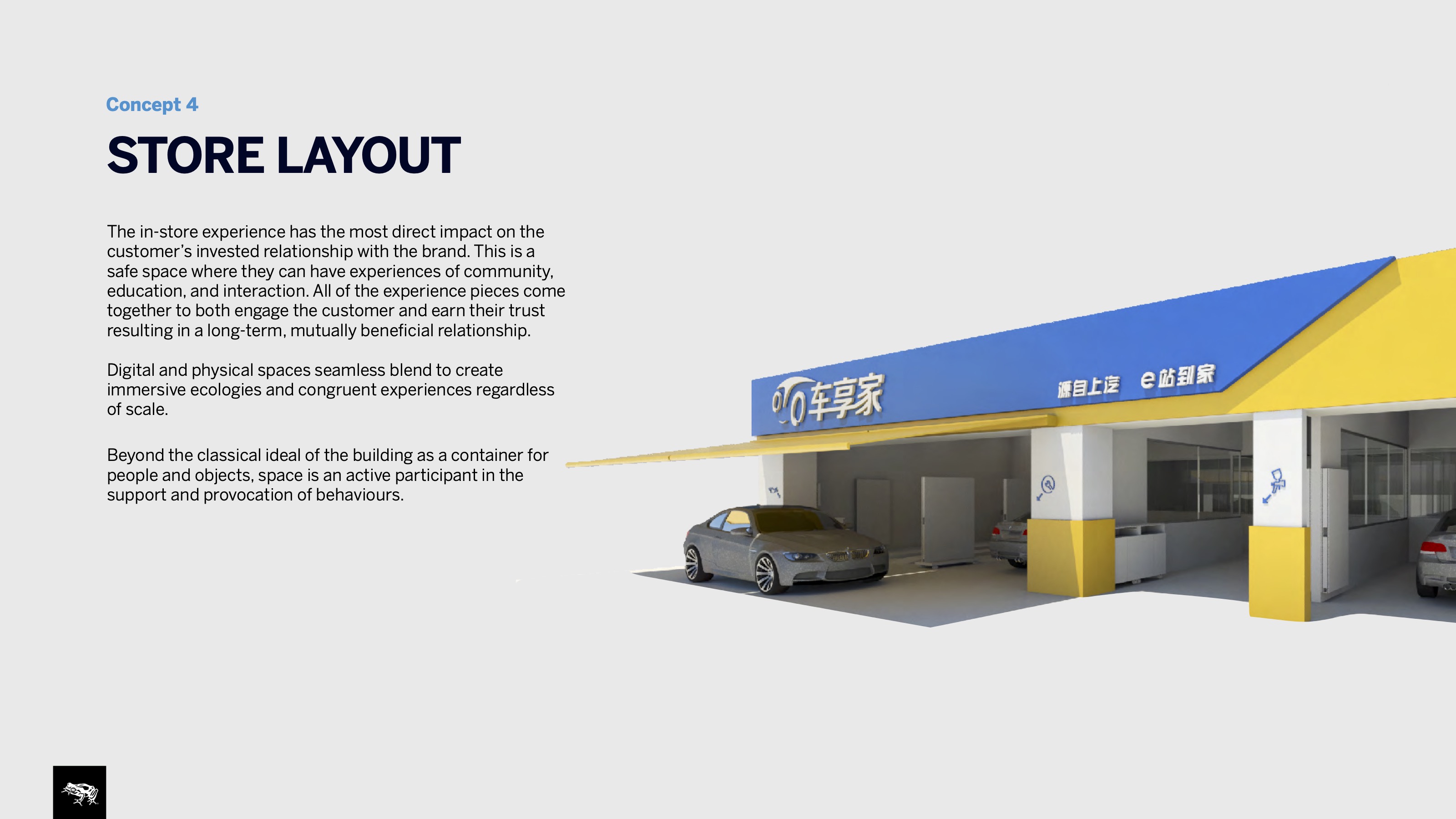
A well-established auto service brand in Shanghai sought to revolutionize its customer experience — + partnered with frog design to reimagine the physical space itself as the primary trust-building tool.
As Senior Experiential Designer, I worked across frog's Shanghai + Austin studios to lead deep-dive customer journey research, develop a comprehensive service blueprint, + design a modular kit-of-parts that transformed how the brand communicates through space.
The design hypothesis driving everything:
Space Is an Active Participant in Provocation + Support of Behavior"
The physical environment was no longer a passive backdrop. It became an active agent — shaping customer behavior, building transparency, + reinforcing brand trust at every touchpoint from entry to service communication.
THE CHALLENGE
Designing trust through space
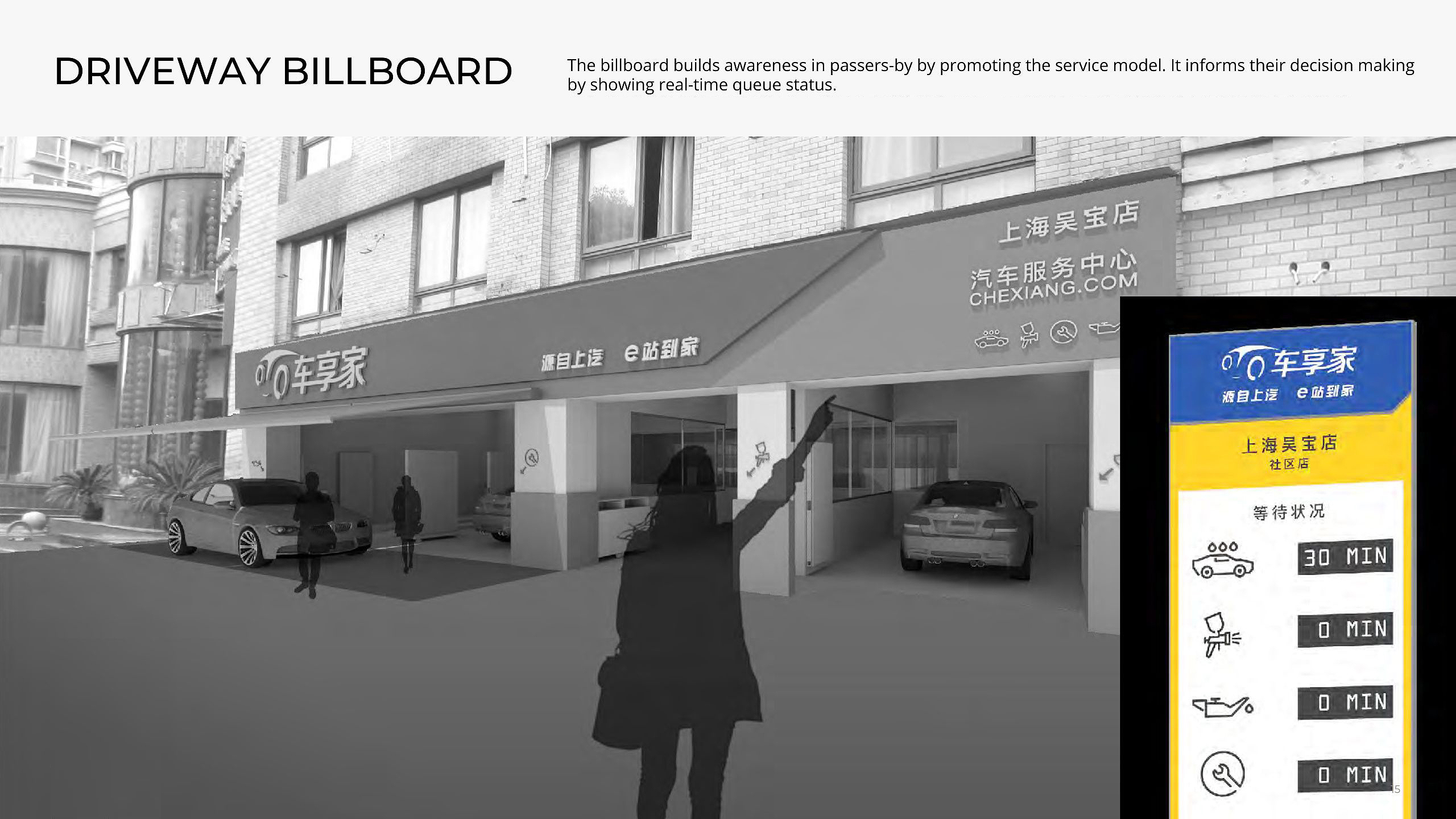
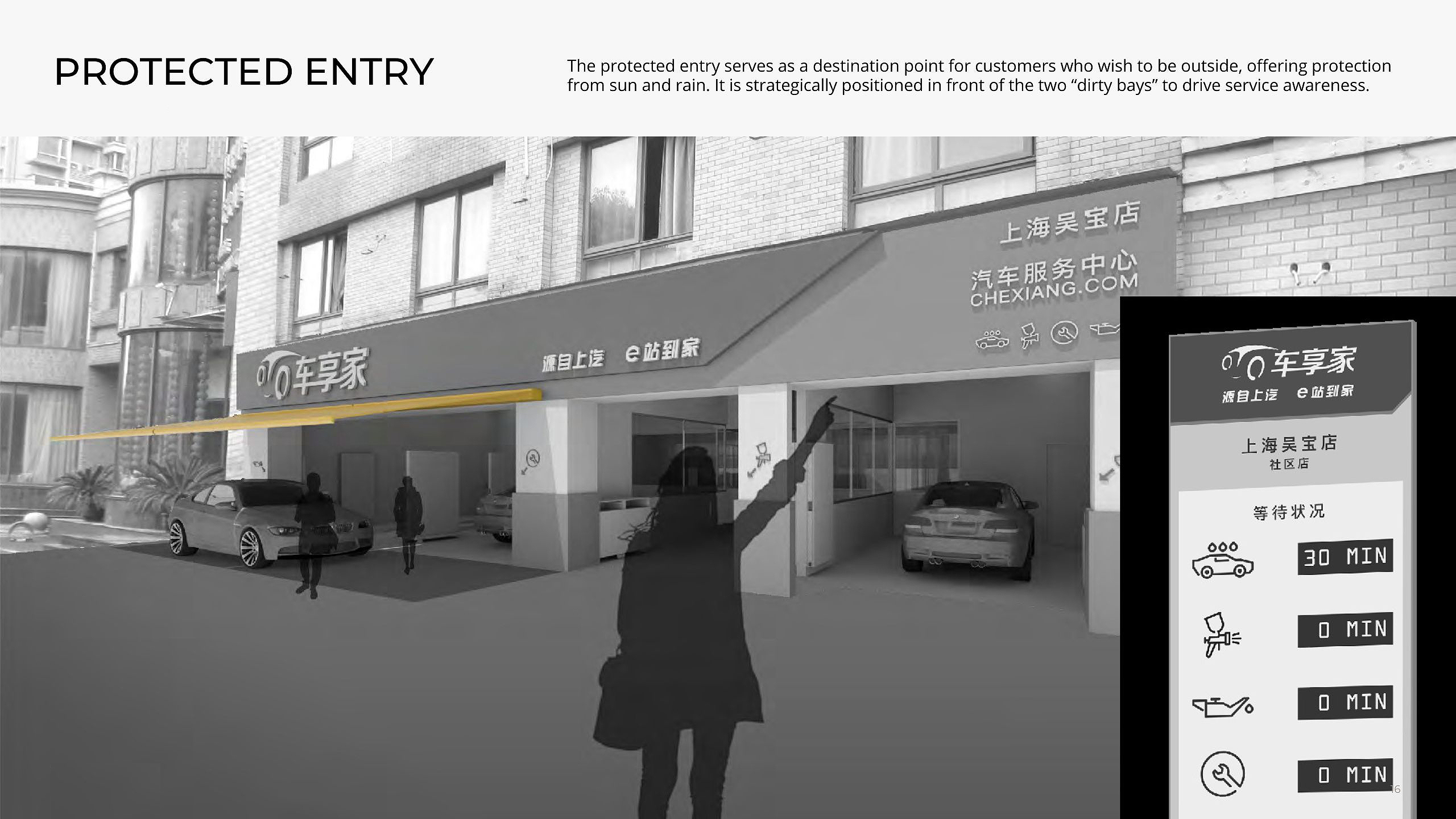
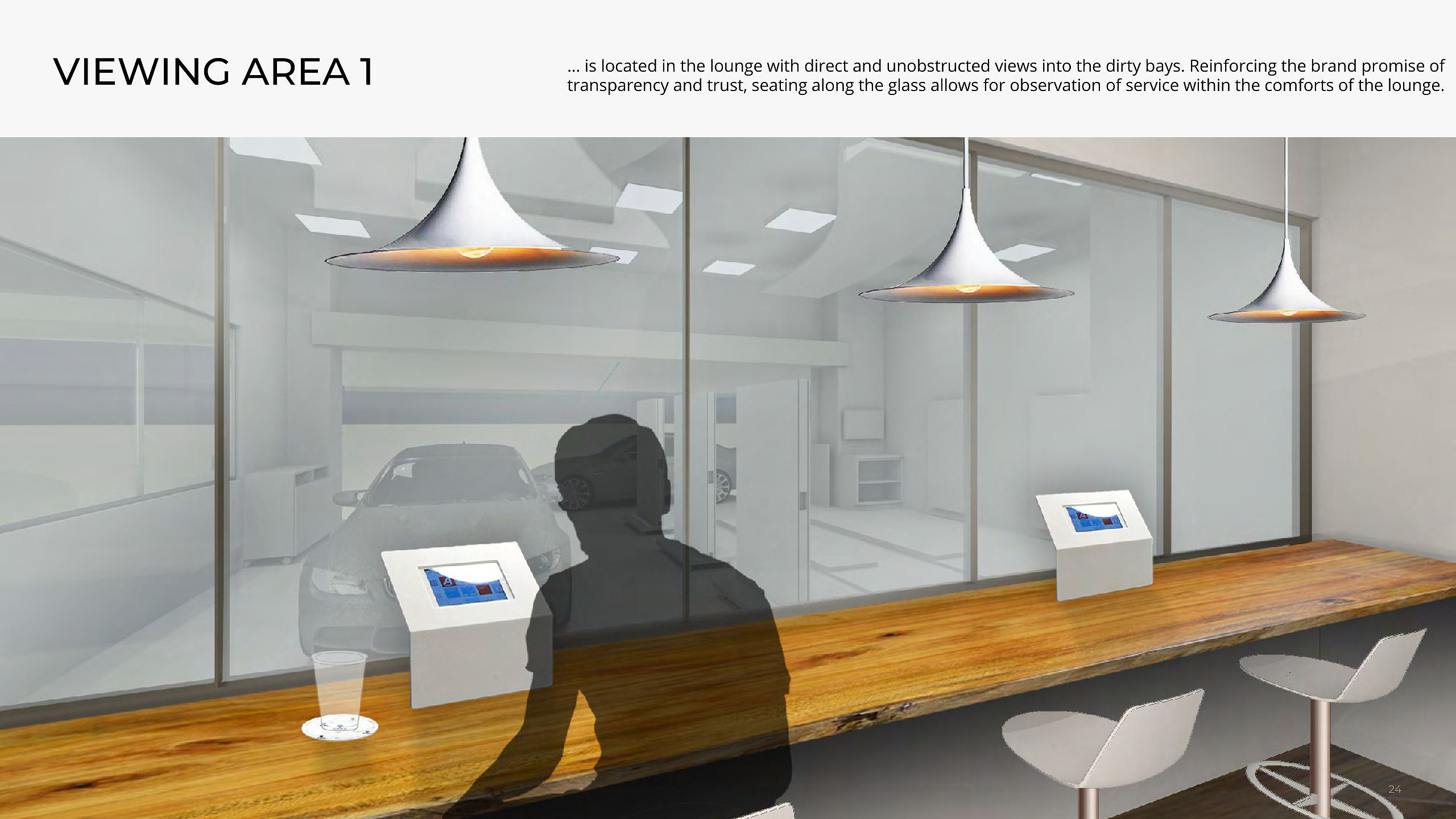
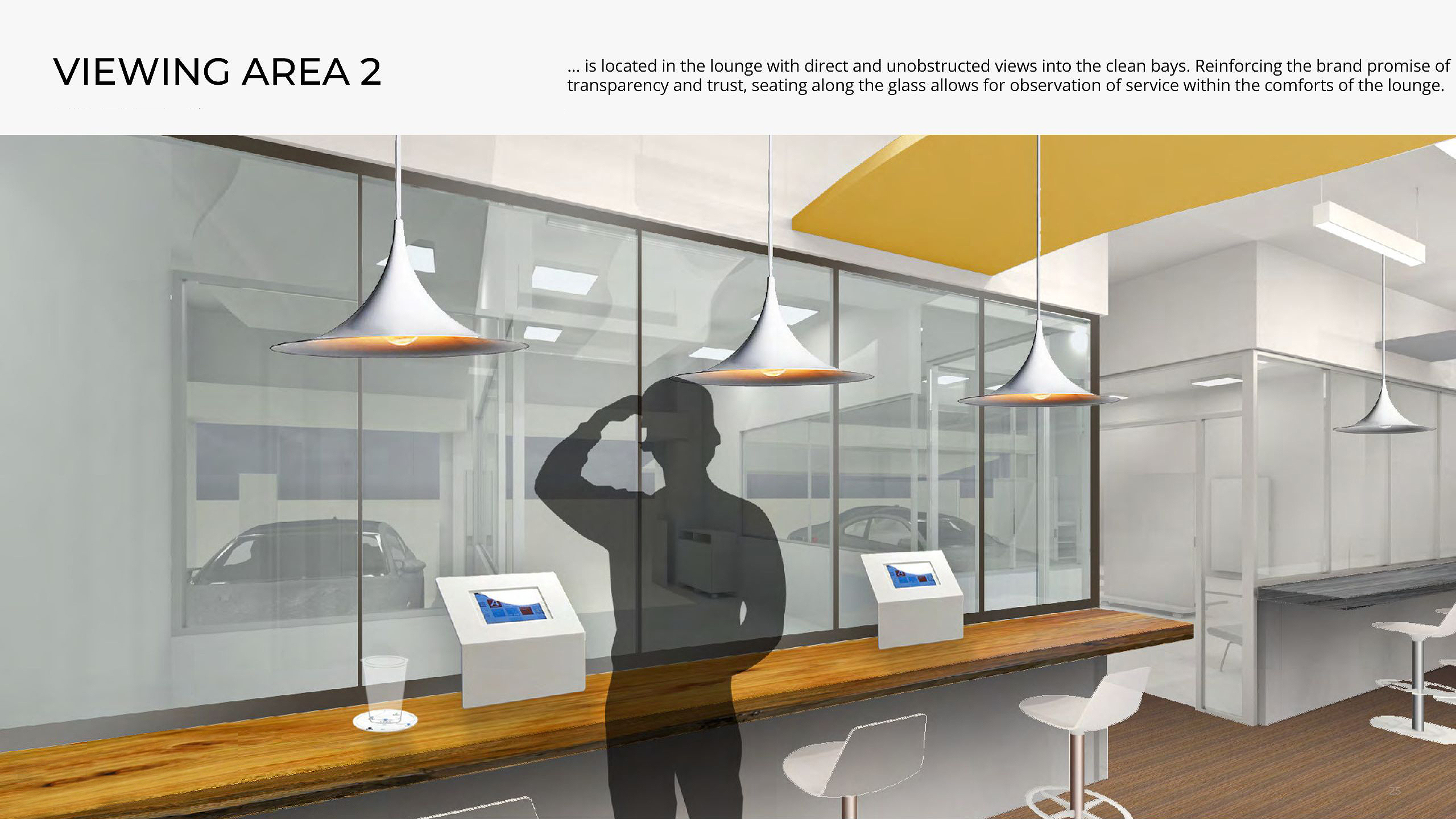
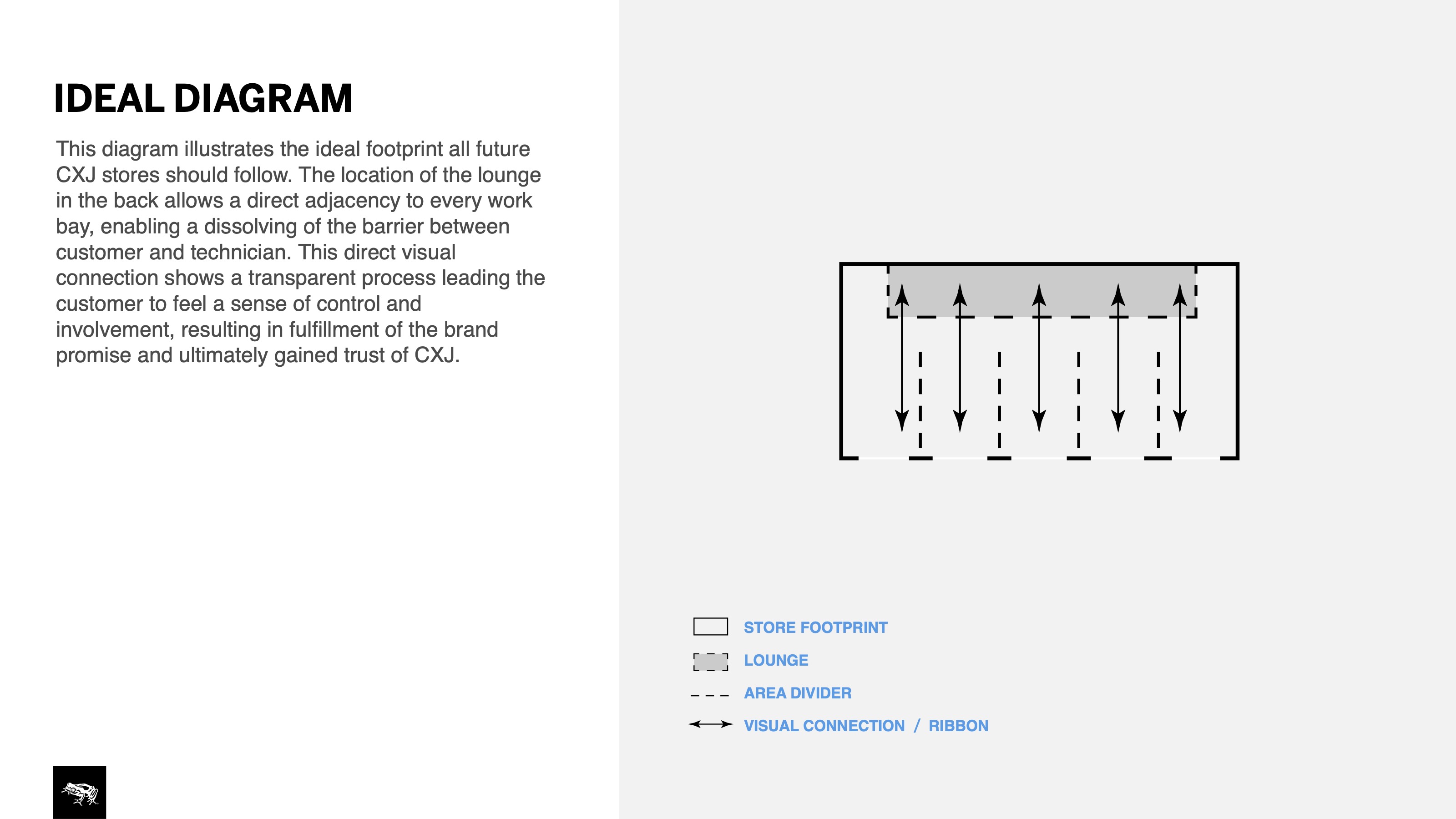
Customers didn't trust the service process — not because the service was poor, but because the space made it invisible. The design challenge was to use environmental graphics, spatial layout, + wayfinding to dissolve that opacity: making the service process legible, the brand trustworthy, + the experience worth returning to.
THE solution
A modular egd system built for scale
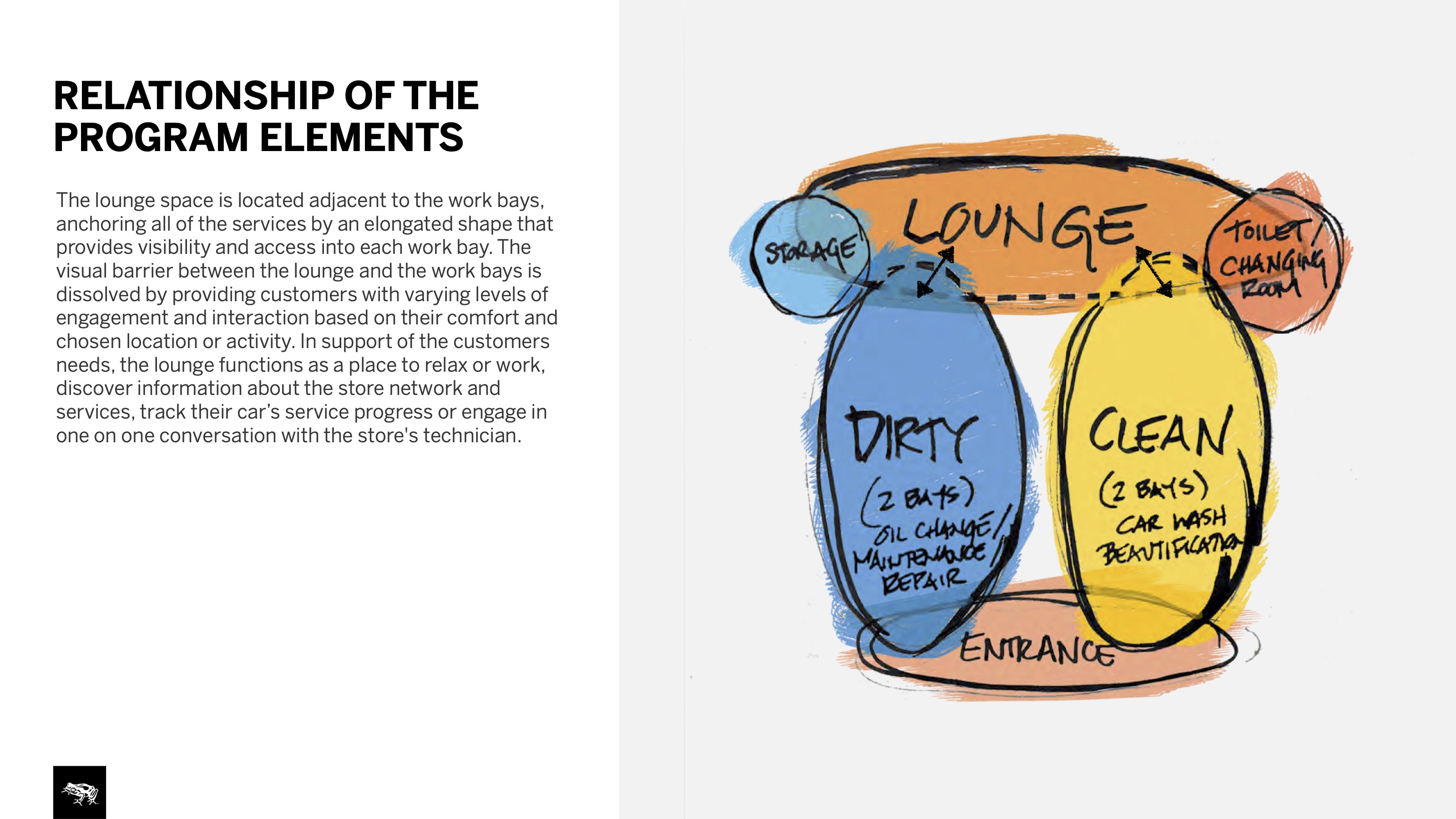
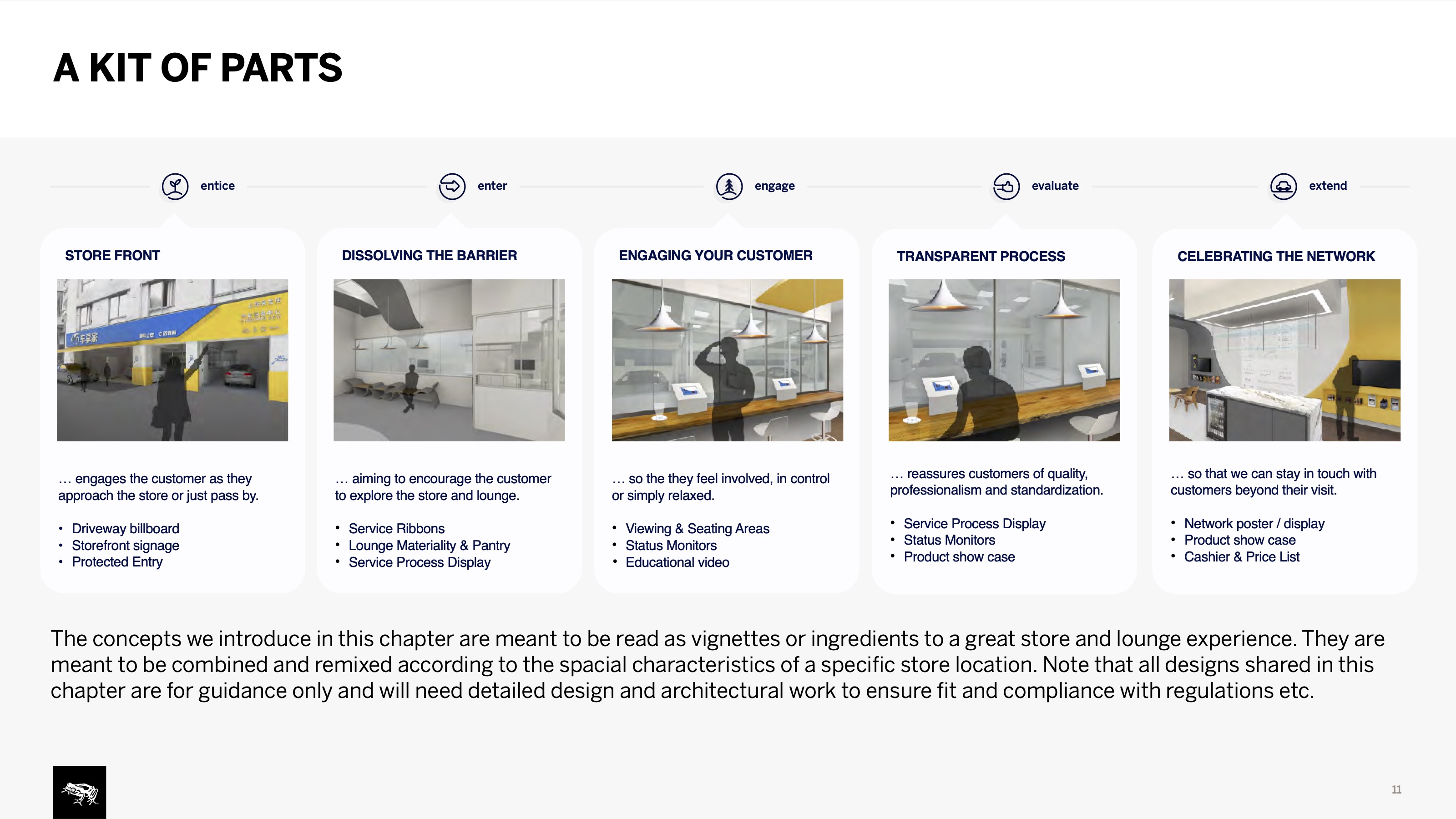
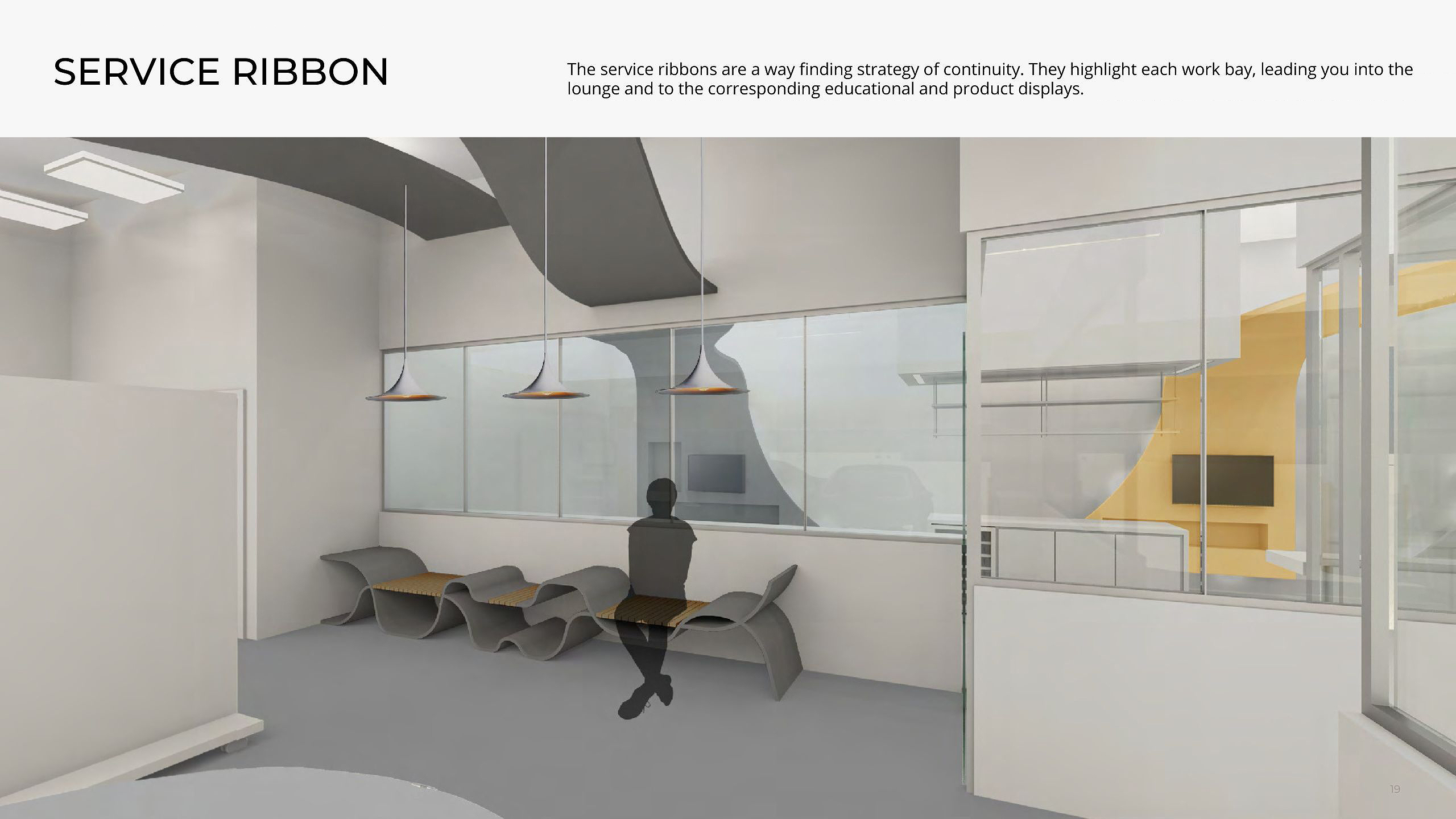
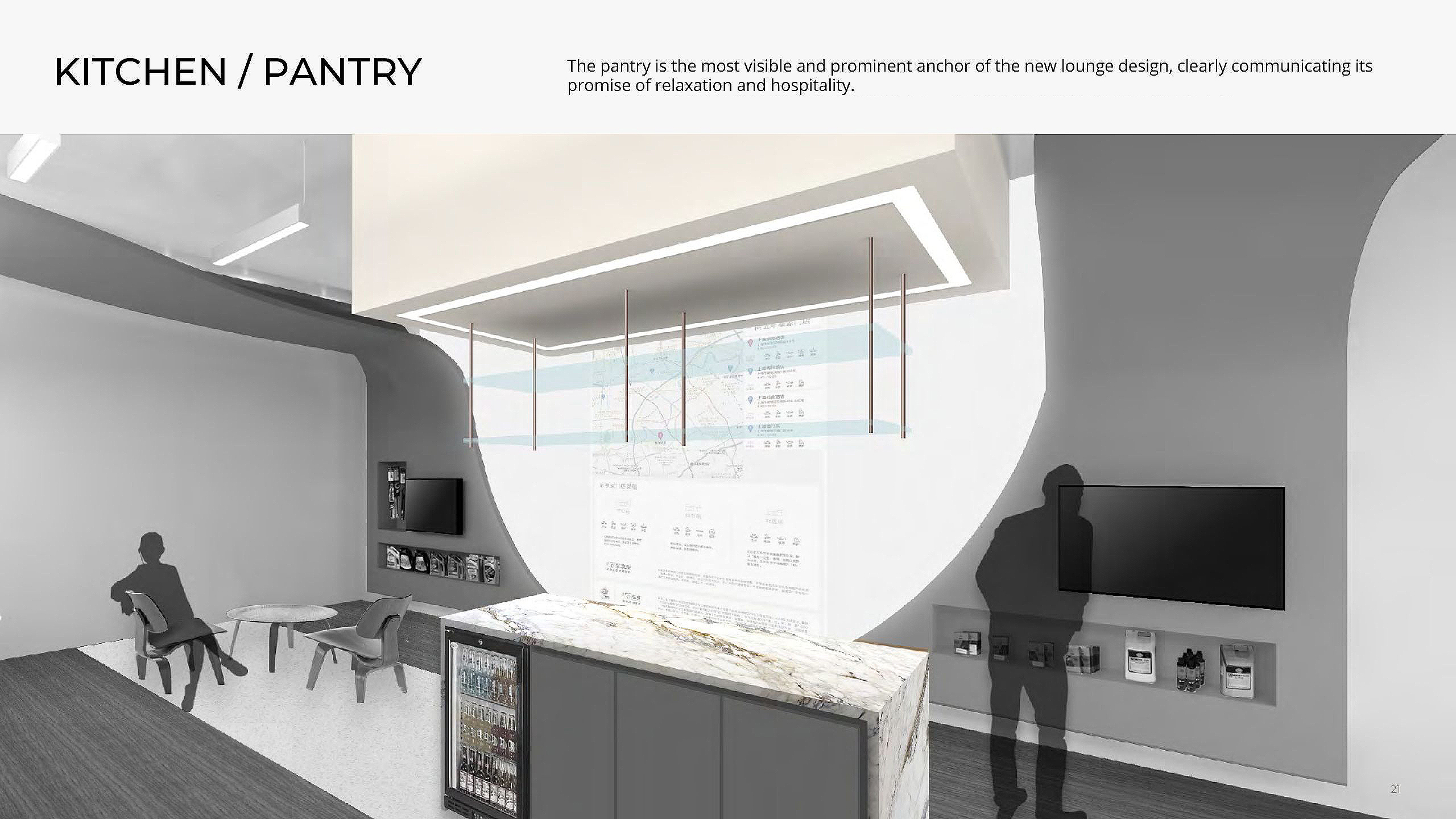
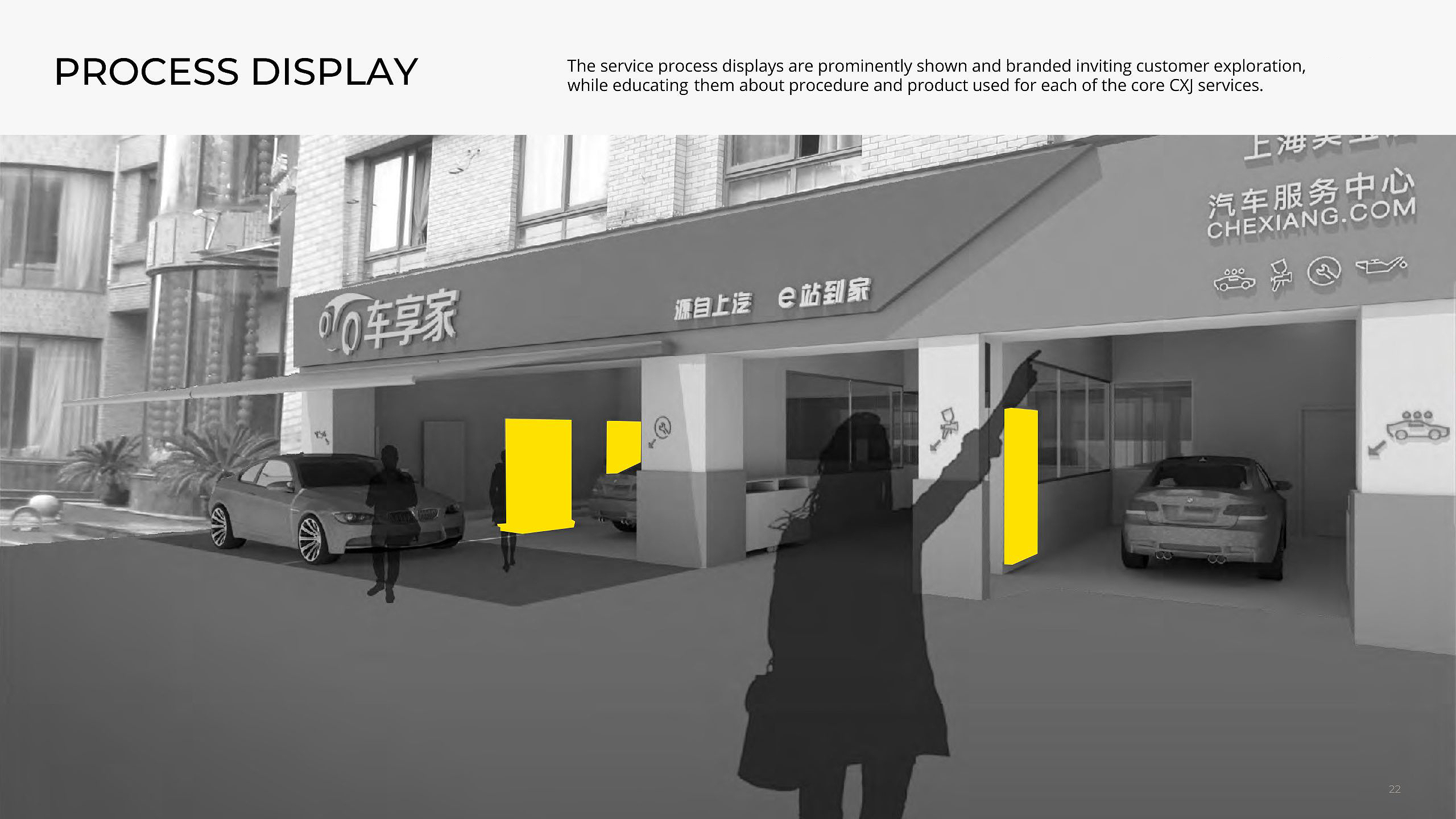
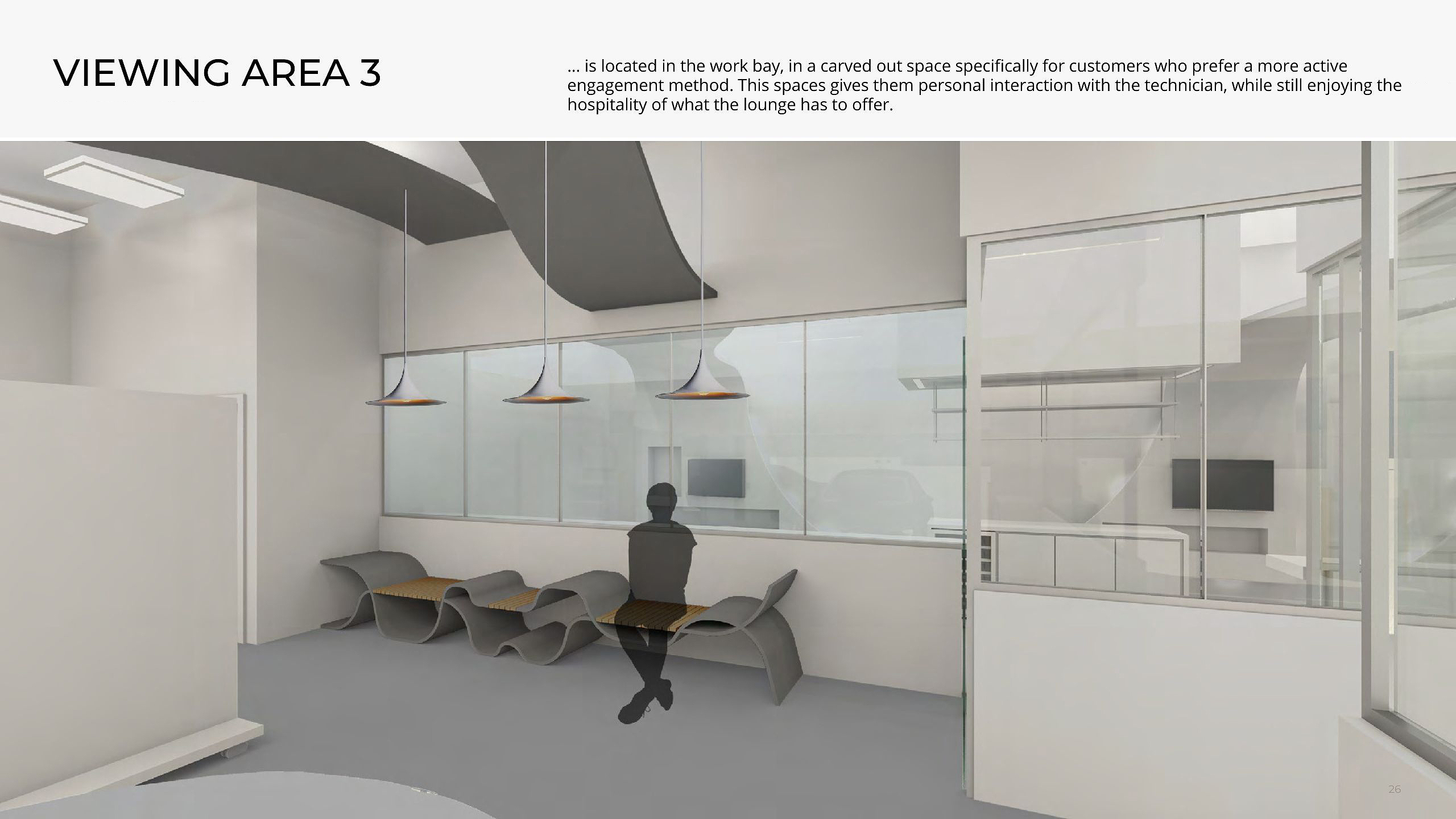
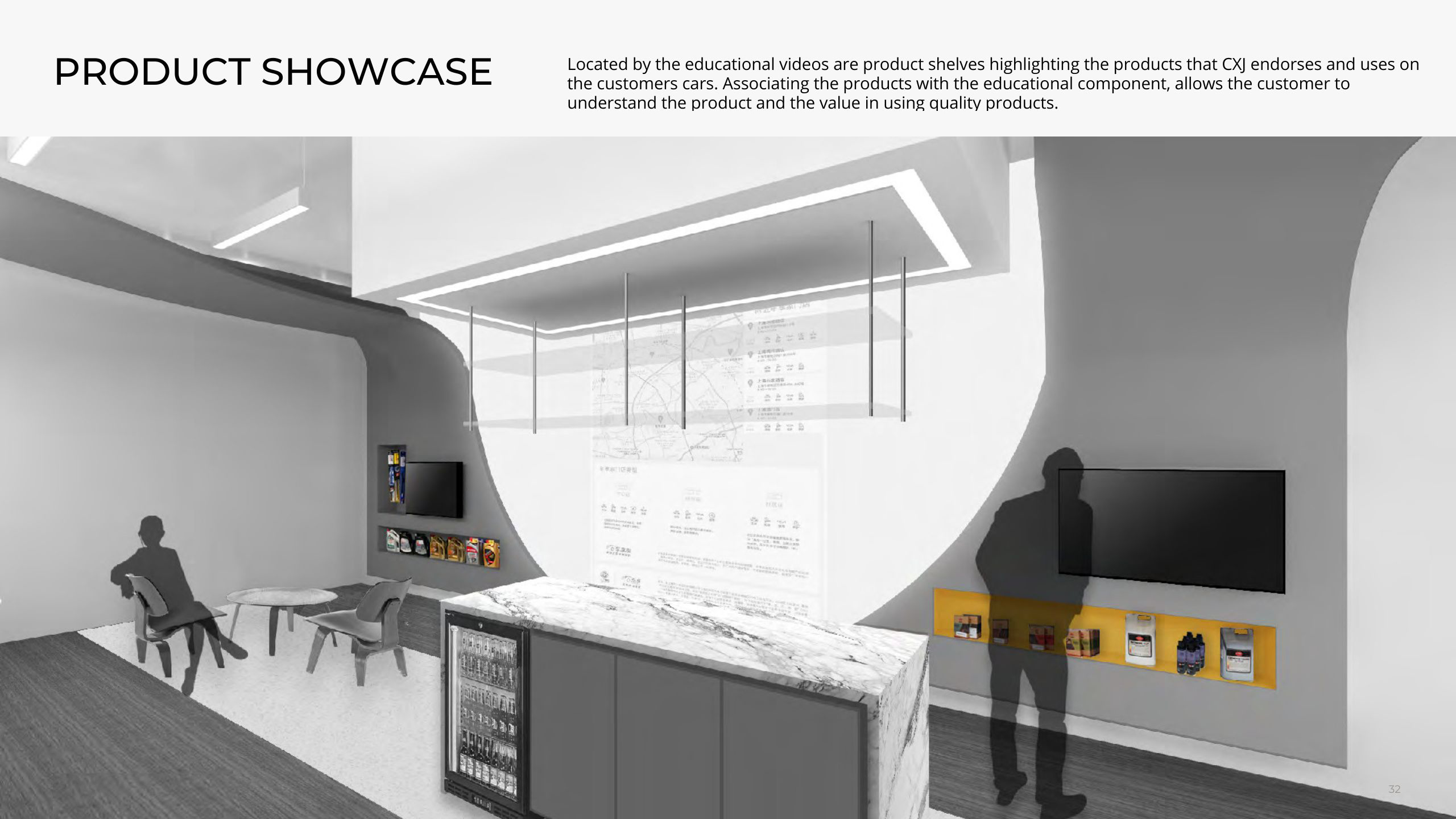
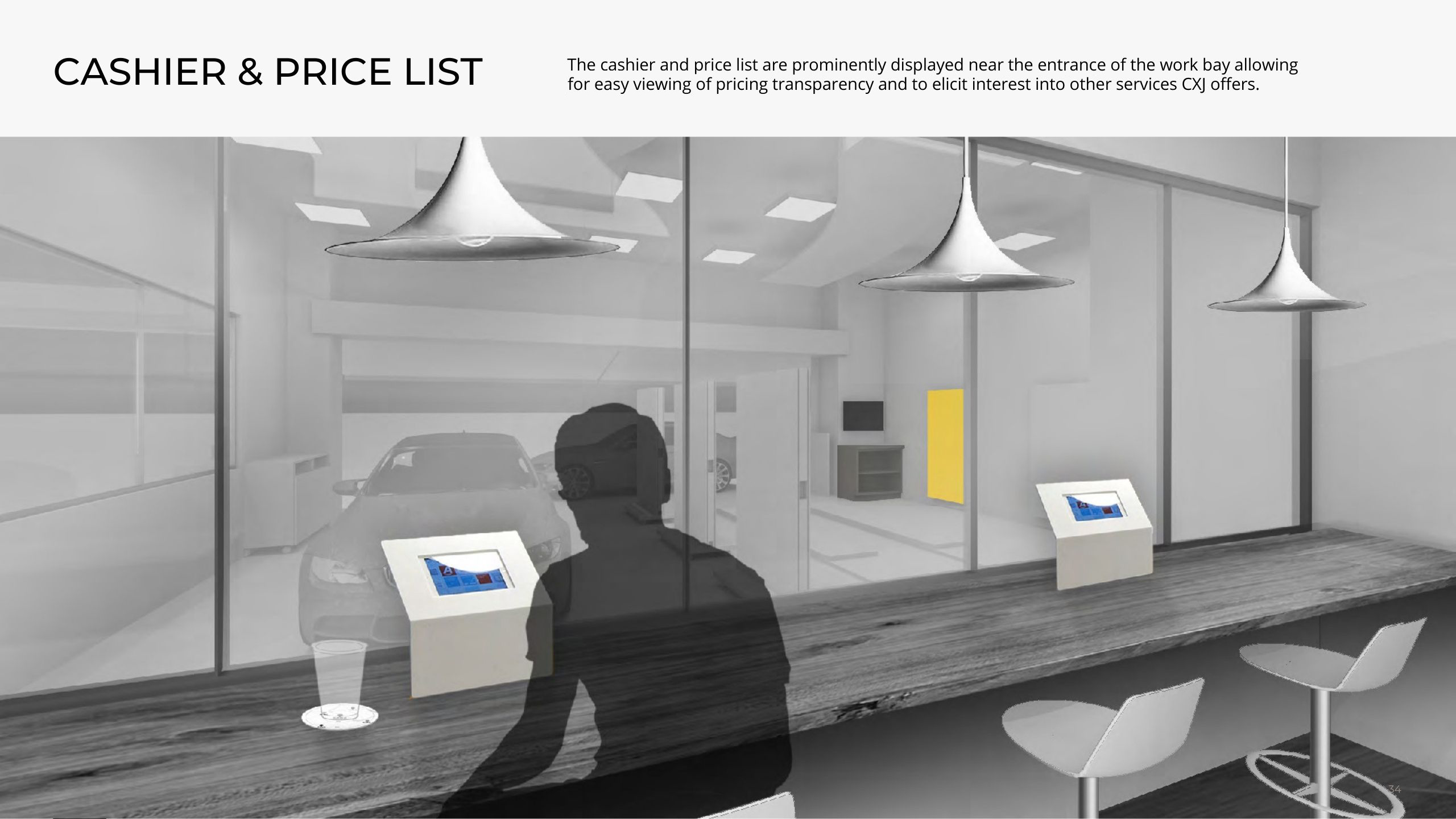
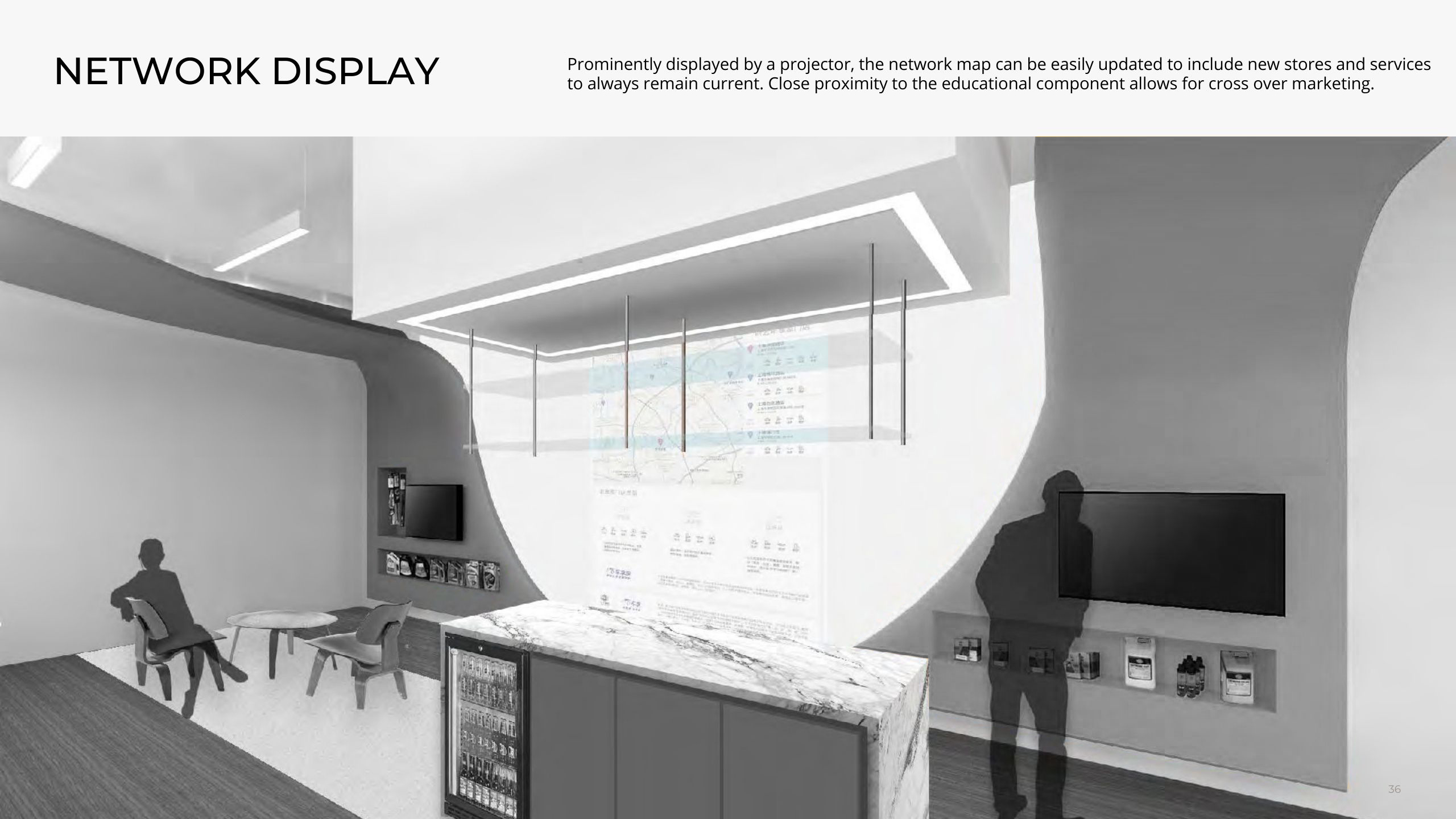
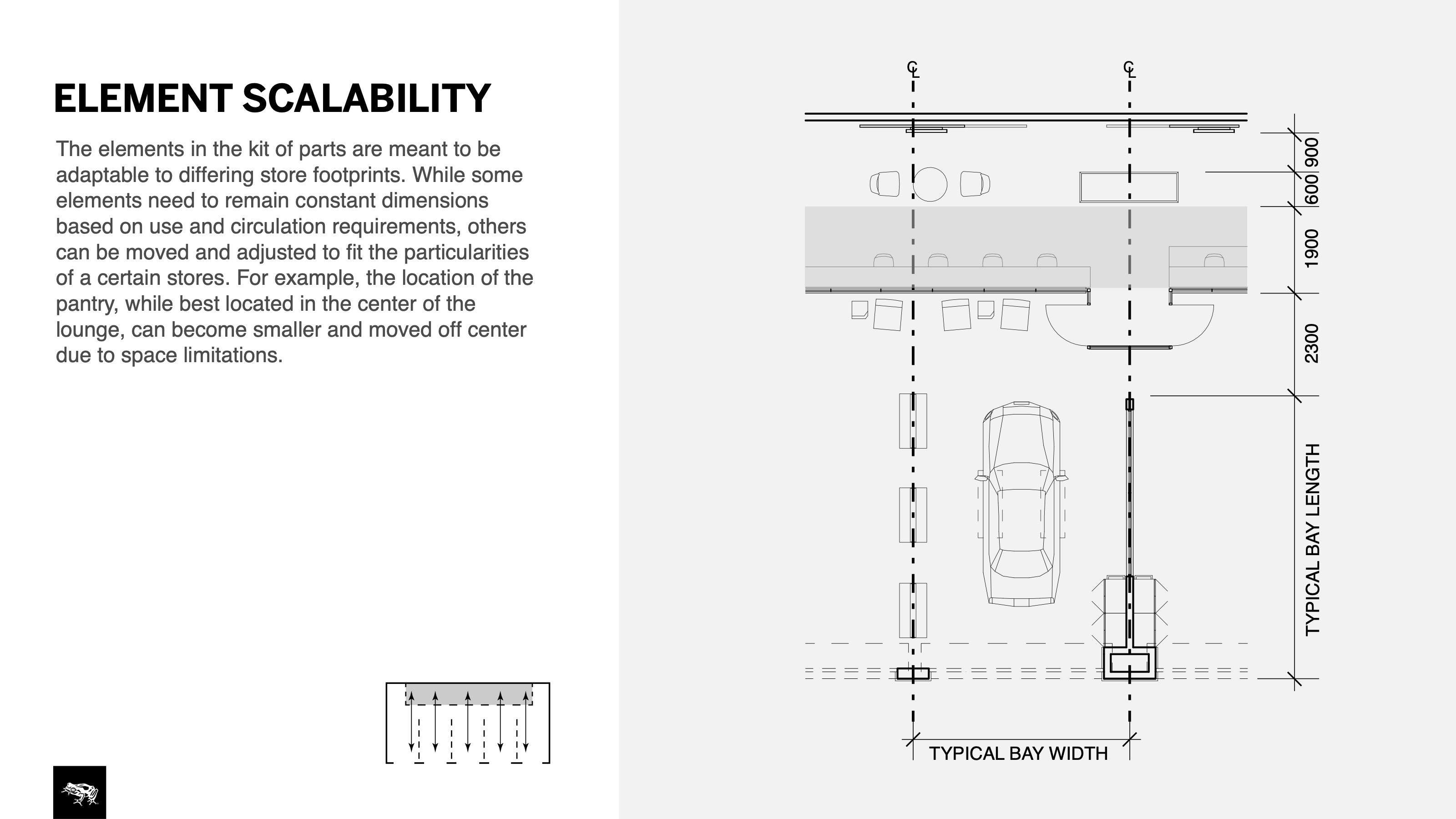
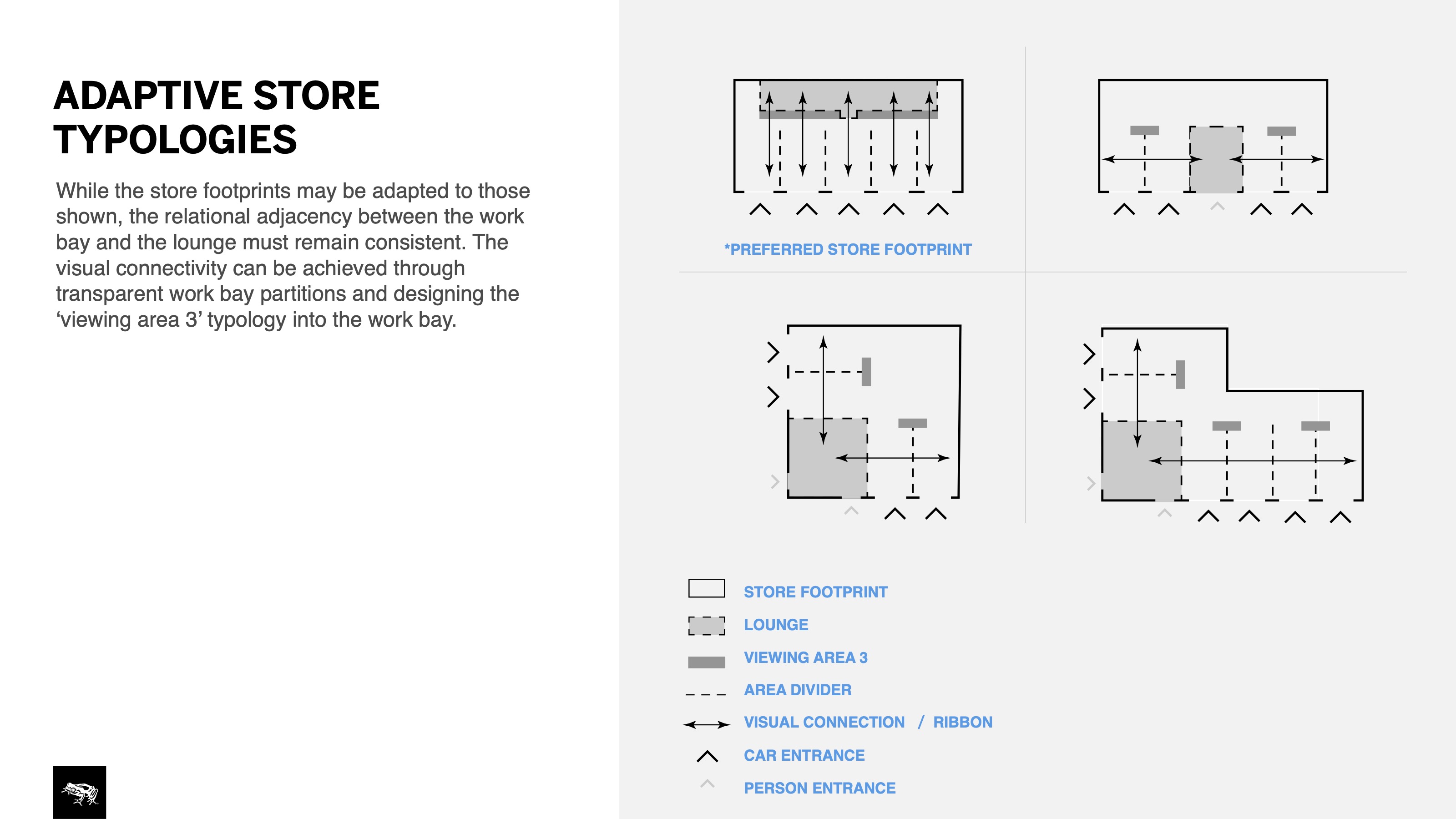
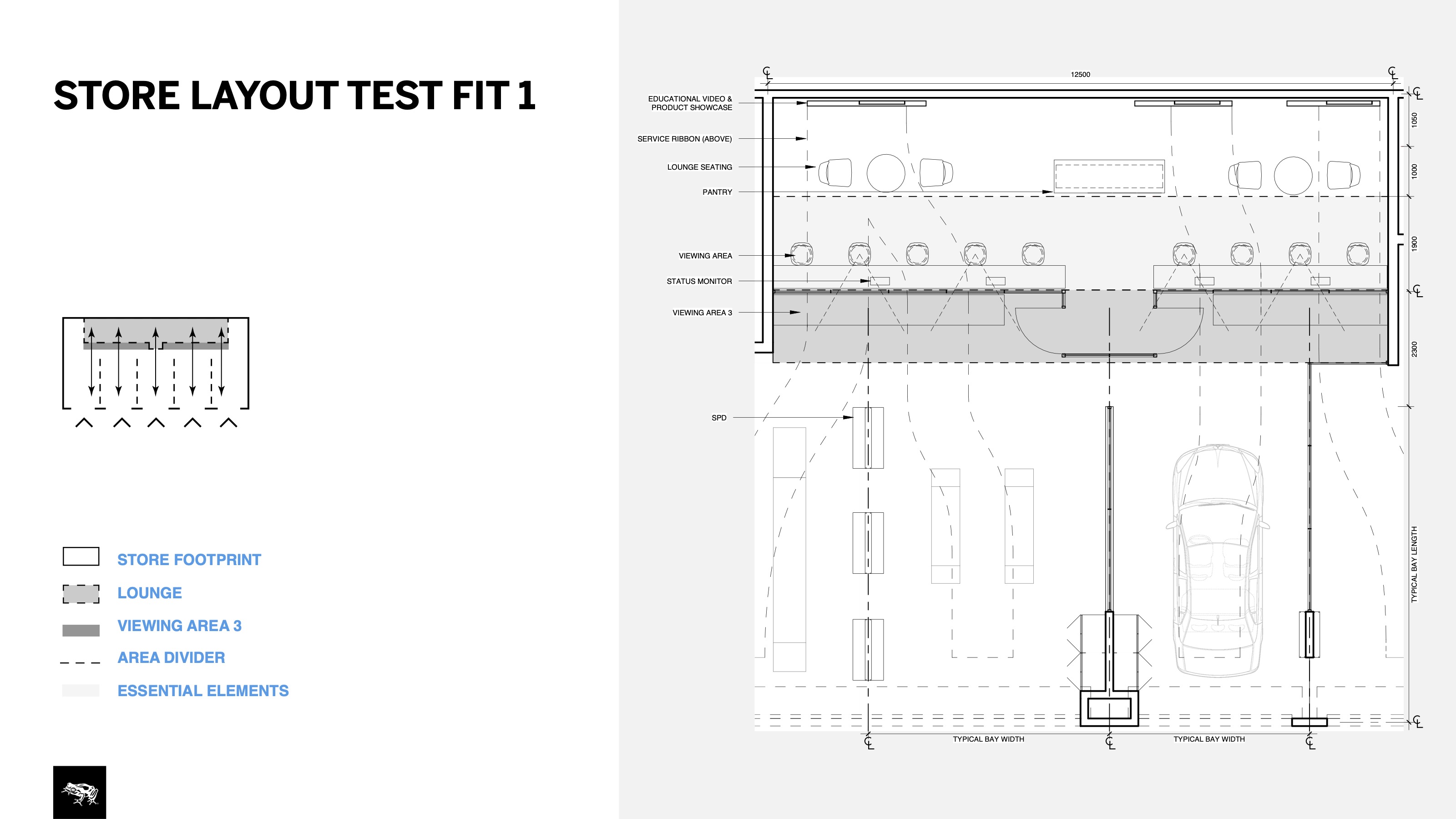
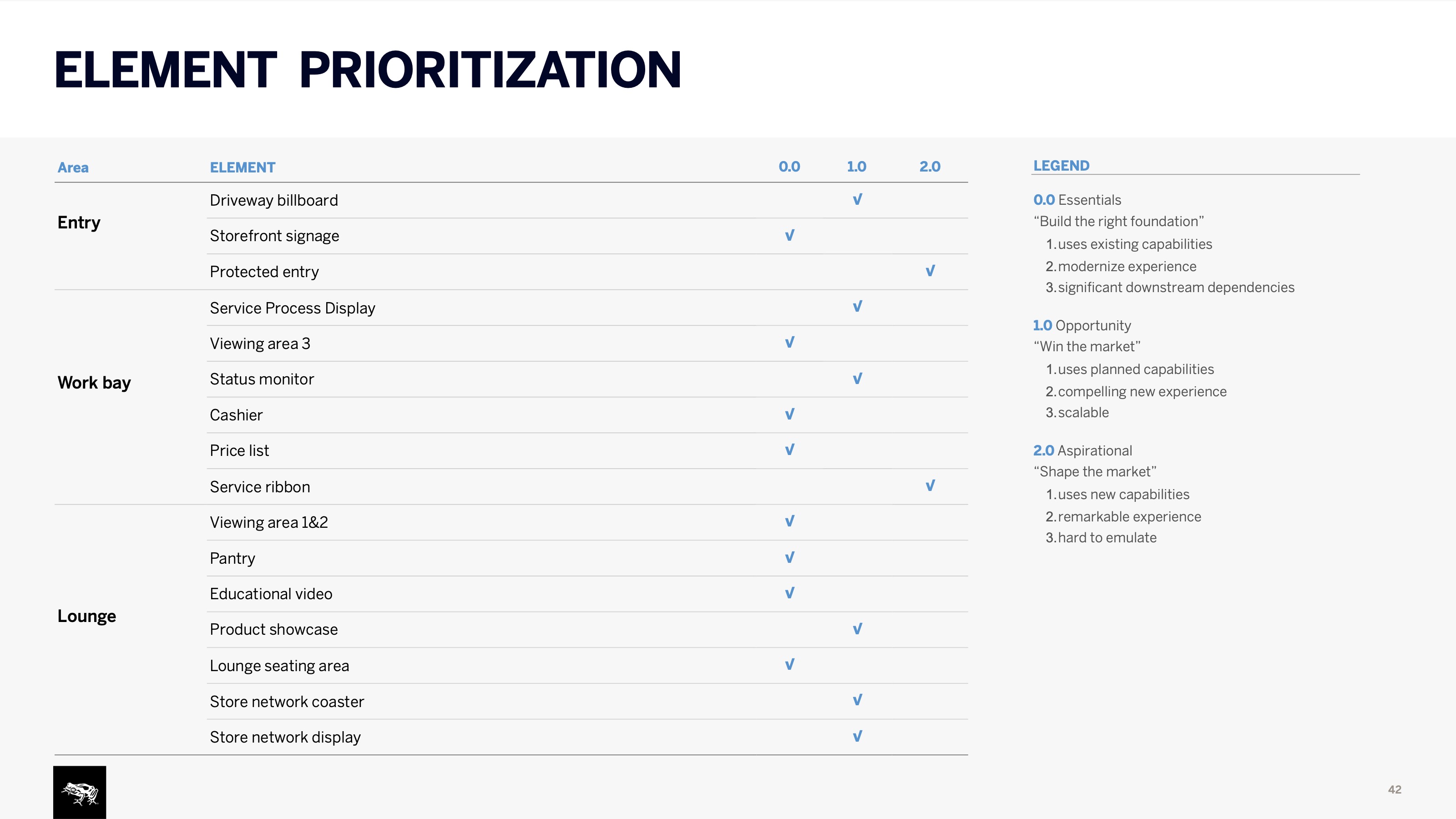
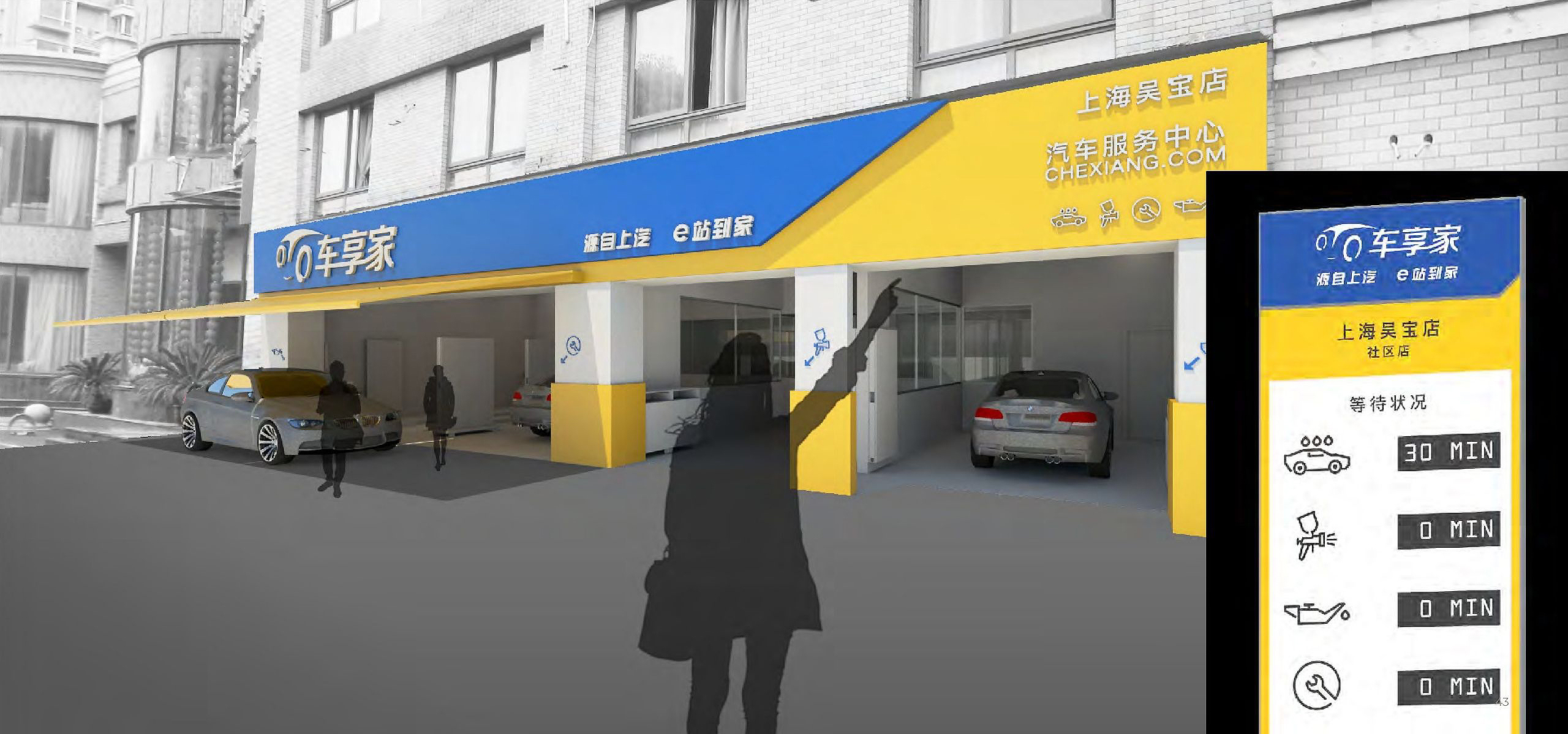
A flexible kit-of-parts — storefront design, service process displays, transparent workspaces, + directional wayfinding — designed to be adapted across individual store locations while maintaining brand consistency. Each environmental graphic element was purposefully placed to move customers through a clear spatial narrative: arrive, understand, trust, return.
The system was designed to be code-compliant + adaptable to local spatial constraints, ensuring the brand experience could scale without sacrificing craft or clarity.
RESEARCH INSIGHTS
CROSS-STUDIO RESEARCH SYNTHESIS
Comprehensive customer journey research conducted across two global studios — synthesizing insights from both Shanghai + Austin to uncover key pain points + spatial opportunities. Research directly informed the environmental graphic design system + signage strategy.
SPACE AS A BEHAVIOR-SHAPING TOOL
By treating the physical environment as an active design medium, we transformed how the brand communicates trust. Environmental graphics, transparent workspaces, + a clear wayfinding logic turned a service transaction into a brand experience — + set a new standard for the client's retail network.
MODULAR DESIGN + WAYFINDING SYSTEM
A flexible kit-of-parts approach allowed the wayfinding + environmental graphics to be tailored to individual store environments — maintaining brand consistency while accommodating local spatial needs + regulatory requirements.
THE GRID IS THE GRAMMAR
Every element in the kit-of-parts was built on a modular grid — not as a constraint, but as a shared language. The result was a system where every location could configure its own environment without breaking the visual logic of the whole. Consistent. Scalable. Purposeful.
This is the same thinking that drives great digital design systems — the medium changes, the methodology doesn't.